Build Child Confidence & Self-Esteem: 5 Daily Habits
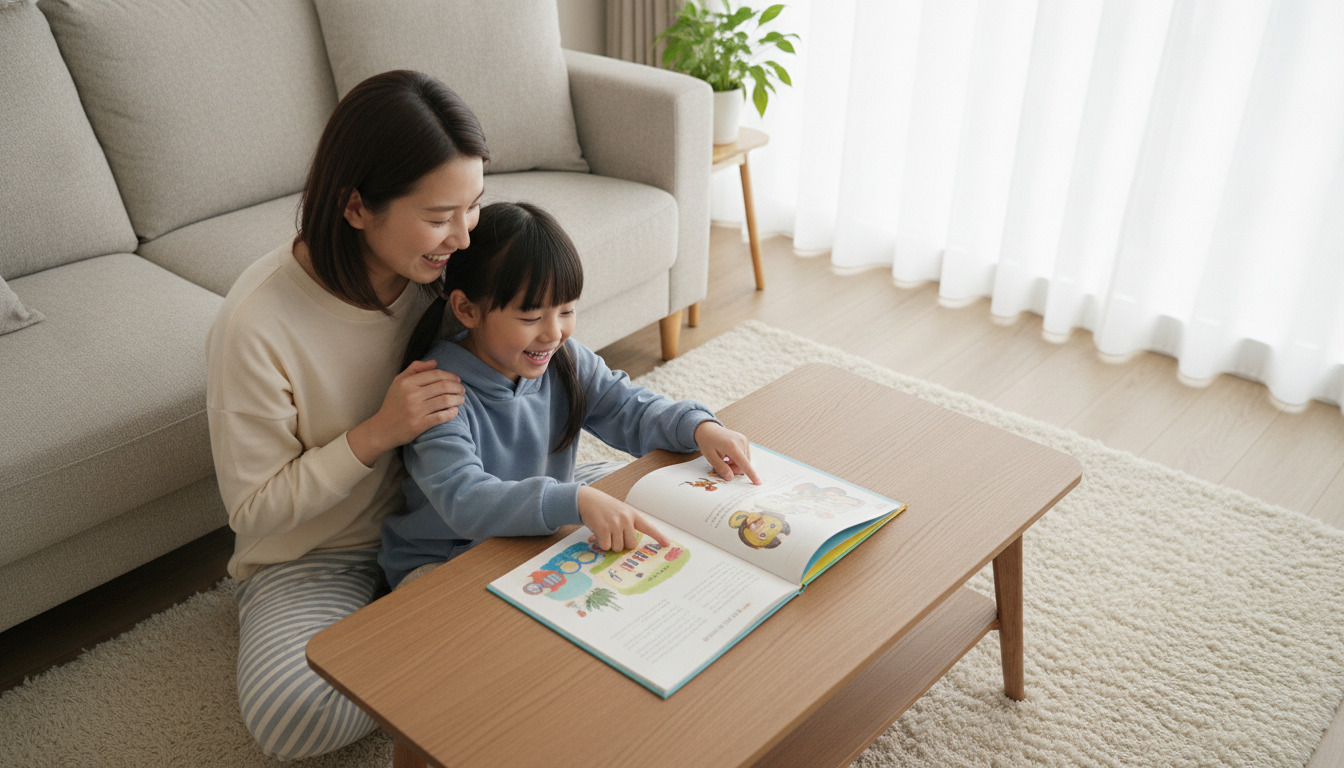
How to build confidence and self-esteem in a child?
Confidence grows when a child repeatedly experiences, “I can try, I can learn, and I can handle it.” Self-esteem deepens when they feel valued for who they are, not only for what they achieve. The goal is to create daily moments where your child feels capable, connected, and safe to make mistakes.
Start with specific, effort-based praise
Replace broad compliments (“You’re so smart”) with feedback that highlights actions (“You stuck with that puzzle even when it got hard”). This teaches children that progress comes from practice and choices they control, which builds lasting confidence.
Give real responsibilities that matter
Assign age-appropriate tasks—feeding a pet, setting the table, packing a backpack—and treat them as meaningful contributions. When children see that others rely on them, they internalize a sense of competence and belonging.
Let them struggle (with support nearby)
Resist rescuing too quickly. Offer a calm presence, ask guiding questions, and let your child take the next step. Handling small challenges—tying shoes, ordering at a restaurant, finishing a tricky worksheet—teaches them they can cope with discomfort and uncertainty.
Model healthy self-talk and coping
Children borrow their inner voice from adults. Say things like, “I’m frustrated, so I’m going to take a breath and try again,” and avoid harsh self-criticism. When setbacks happen, help your child name the feeling, choose a strategy, and try again.
Create a safe base for honesty
Make it easy to admit mistakes by focusing on solutions rather than shame. Ask, “What happened?” and “What can we do next time?” A child who feels emotionally safe is more willing to take risks, which is essential for confidence.
For more practical strategies and examples you can use at home, visit How to Build Confidence and Self-Esteem in a Child.
FAQ
How do I help my child stop negative self-talk?
Teach them to notice the thought, label it (“That’s my worry voice”), and replace it with a fair statement like, “I’m still learning.” Reinforce the new phrase during calm moments so it’s easier to use when they’re upset.












Leave a comment