Does Homework Really Help Students? What Research Says
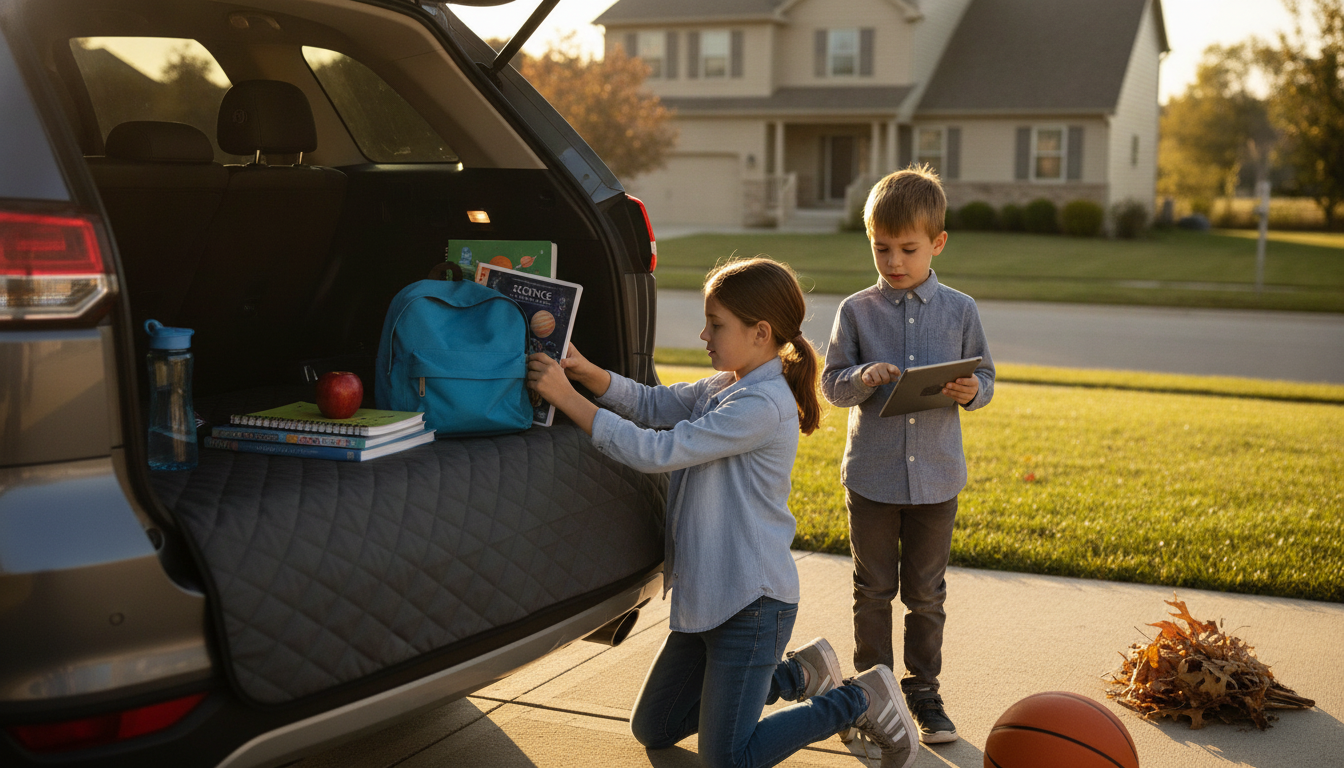
How much does homework actually help students?
Homework can help students, but the payoff depends on age, assignment quality, and how it’s used. The strongest benefits tend to show up when homework reinforces a skill taught in class, provides timely feedback, and stays within a reasonable time limit. When it becomes repetitive, overly long, or confusing without support, it can deliver little academic growth and add unnecessary stress.
What the research generally suggests
Homework is often more effective in middle school and high school than in early elementary grades. Older students are more able to study independently, manage time, and connect practice to long-term learning. For younger students, shorter practice—reading, basic math fluency, or simple review—typically works better than lengthy worksheets or projects that require heavy parent involvement.
When homework helps the most
High-impact homework usually has a clear purpose and a clear finish line. It helps when it:
- Practices a specific, recently taught skill (spaced repetition is especially useful for math and vocabulary).
- Builds study habits through predictable routines and manageable workload.
- Prepares for upcoming lessons with light preview tasks that reduce confusion the next day.
- Gets feedback quickly so mistakes don’t become habits.
When homework helps the least
Homework tends to be less helpful when it’s assigned mainly to fill time, requires tools or instructions students don’t have, or pushes past reasonable limits. It can also widen gaps if some students get extensive help at home while others don’t. In those cases, the grade may reflect access to support more than understanding.
How to make homework more effective
A practical approach is “short, focused, and feedback-friendly.” Set a consistent time window, break larger tasks into steps, and prioritize assignments that match what was taught. If a student is stuck for more than 10–15 minutes, it’s often better to pause, note the question, and ask the teacher rather than struggle for an hour.
For a deeper look at what homework can (and can’t) do, see the full guide here: https://megafindcorner.shop/how-much-does-homework-actually-help-students/.
FAQ
How much time should students spend on homework each night?
A common guideline is about 10 minutes per grade level (for example, 30 minutes in 3rd grade, around 90 minutes in 9th). The right amount also depends on the student’s pace and whether the work is genuinely reinforcing learning.











Leave a comment