First Week After Adopting a Pet: What to Expect
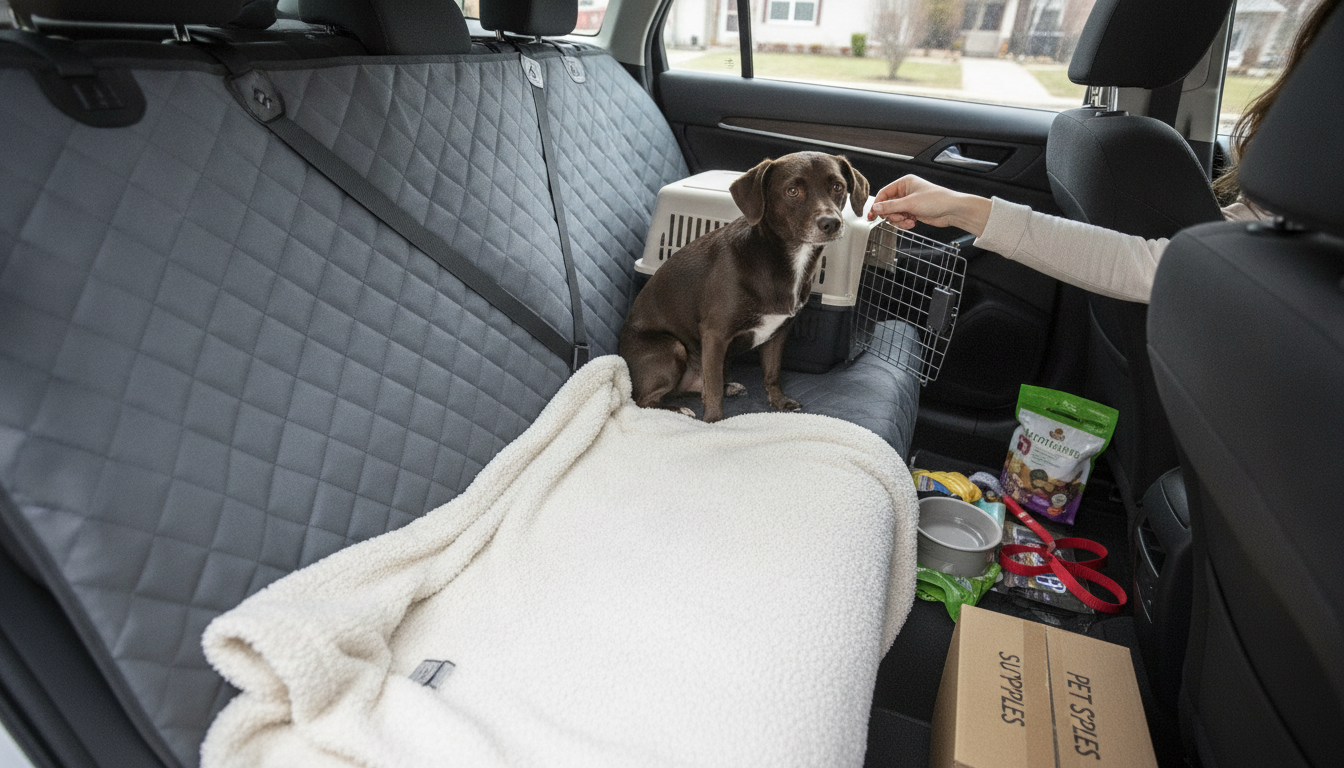
What should I expect during the first week after pet adoption?
The first week after adoption is usually a mix of excitement and adjustment—for both of you. Even friendly pets can seem quiet, cautious, or unpredictable at first because everything is new: smells, sounds, routines, and people. A smooth first week is less about doing “everything” and more about creating calm, consistency, and trust.
Days 1–2: Decompression and settling in
Many pets arrive overwhelmed. You might notice hiding, pacing, clinginess, limited appetite, or lots of sleeping. Keep introductions low-key, offer a quiet “safe zone” (a room, crate, or corner), and let your pet approach you on their terms. Stick to a simple routine for meals, potty breaks, and bedtime.
Days 3–5: Personality starts to show
As stress drops, behavior can change. A pet who seemed mellow may become more energetic, or a shy pet may start exploring. This is normal. Continue predictable schedules, short positive interactions, and gentle boundaries (like where they’re allowed to rest or which rooms are off-limits).
Days 6–7: Testing routines and building trust
By the end of the week, many pets begin to understand the household rhythm. You may see more confidence—and sometimes boundary-testing like jumping, barking/meowing, or getting into items. Redirect calmly, reward the behaviors you want, and avoid punishment that can increase fear.
What to prioritize right away
Focus on the essentials: fresh water, consistent feeding times, supervised exploration, and a predictable potty/litter routine. Keep visitors limited, use a leash or closed doors for management, and introduce other pets slowly with controlled, brief sessions.
When to call a vet
Contact a veterinarian promptly if you see repeated vomiting, diarrhea lasting more than a day, refusal to eat for 24 hours (especially in cats), trouble breathing, extreme lethargy, or signs of pain. Scheduling a wellness exam early helps establish baseline health and plan vaccinations and parasite prevention.
For a deeper, step-by-step guide to the first week—including routines, introductions, and common hiccups—visit What should I expect during the first week after pet adoption?.
FAQ
How can I help my new pet feel safe at night?
Set up a quiet sleeping spot away from heavy foot traffic, keep the nighttime routine consistent, and take a final potty break or litter check before bed. Soft background noise and keeping lights low can also reduce anxiety while they adjust.












Leave a comment